Red Light Therapy for Dog Hot Spots: What to Know
Share
Few things worry a dog owner like discovering a red, raw, oozing patch of skin that seemed to appear out of nowhere — a hot spot. They're painful, they spread fast, and the urge to soothe them immediately is strong. Many owners ask whether red light therapy can help. The honest answer matters here, because hot spots are infected skin lesions with an underlying cause: red light therapy may support skin healing as a complementary measure — but only after a vet has examined and started treating the spot, never as a first response. If your vet has treated the hot spot and approved supportive care, devices made for animals, like those in the red light therapy collection for dogs and cats, are designed for that kind of gentle, supportive use during healing.
This guide gives you the responsible picture: what hot spots actually are, why they need veterinary care first, when red light therapy may fit during healing, and how to help prevent them — because with a fast-worsening, infected skin condition, getting the order of care right is what's best for your dog.
The Short Answer
Hot spots are painful, infected skin lesions that can worsen within hours and need prompt veterinary care — so a vet comes first, not red light therapy. The veterinary basics (clipping, cleaning, controlling infection, stopping the licking, and treating the underlying cause) must come first. Once the spot is being properly managed and is in the healing phase, red light therapy may support skin healing through photobiomodulation, with veterinary approval, as one supportive part of recovery. It cannot treat the infection, replace veterinary care, or fix the underlying cause — and it should never be used on an active, untreated hot spot in place of seeing a vet.
What Is a Hot Spot?
A hot spot — known medically as acute moist dermatitis or pyotraumatic dermatitis — is a red, inflamed, often oozing and smelly patch of infected skin. It usually starts from something minor that makes the dog itch (an insect bite, allergy, flea, ear infection, or moisture trapped in matted fur), and then the dog's own licking, scratching, and chewing turns it into a painful sore.
The itch-lick-itch cycle
The reason hot spots worsen so fast is a vicious cycle: itching leads to licking and biting, which irritates the skin further and increases the itch, which drives more licking. This self-trauma can turn a small irritated patch into a large, oozing sore within hours, which is why prompt action matters.
Hot spots are commonly found on the head, neck, ears, legs, and hips. They can be obvious, or hidden beneath matted fur. The good news is they respond well to prompt treatment — but they can cause more serious problems, like deeper skin infection, if left unaddressed.
Why a Hot Spot Needs Veterinary Care First
It's tempting to treat a hot spot at home, but two facts make veterinary care the essential first step: it's an infection, and it has an underlying cause.
A veterinarian will typically:
- Clip and clean the area — clipping the fur (often beyond the visible margin) lets the skin breathe and reveals the true extent of the lesion.
- Address the infection — assessing whether topical treatment or antibiotics are needed (antibiotics aren't always necessary, but that's a veterinary judgment).
- Stop the self-trauma — often with a cone (Elizabethan collar) or protective cover so the dog can't keep licking.
- Identify the underlying cause — allergies, fleas, ear infections, or grooming issues — because without addressing the trigger, hot spots tend to recur.
Seek veterinary care urgently if the hot spot is large (bigger than a coin), foul-smelling, spreading rapidly, or extremely painful — or if your dog seems unwell, has a fever, or stops eating. These can signal a more serious, spreading infection (such as cellulitis) that needs prompt medical treatment. And never apply human medications or creams to the area; many are unsafe for dogs.
Where Red Light Therapy May Fit — and Where It Doesn't
With the veterinary basics handled, here's the honest role of red light therapy for hot spots.
What It May Do (During Healing)
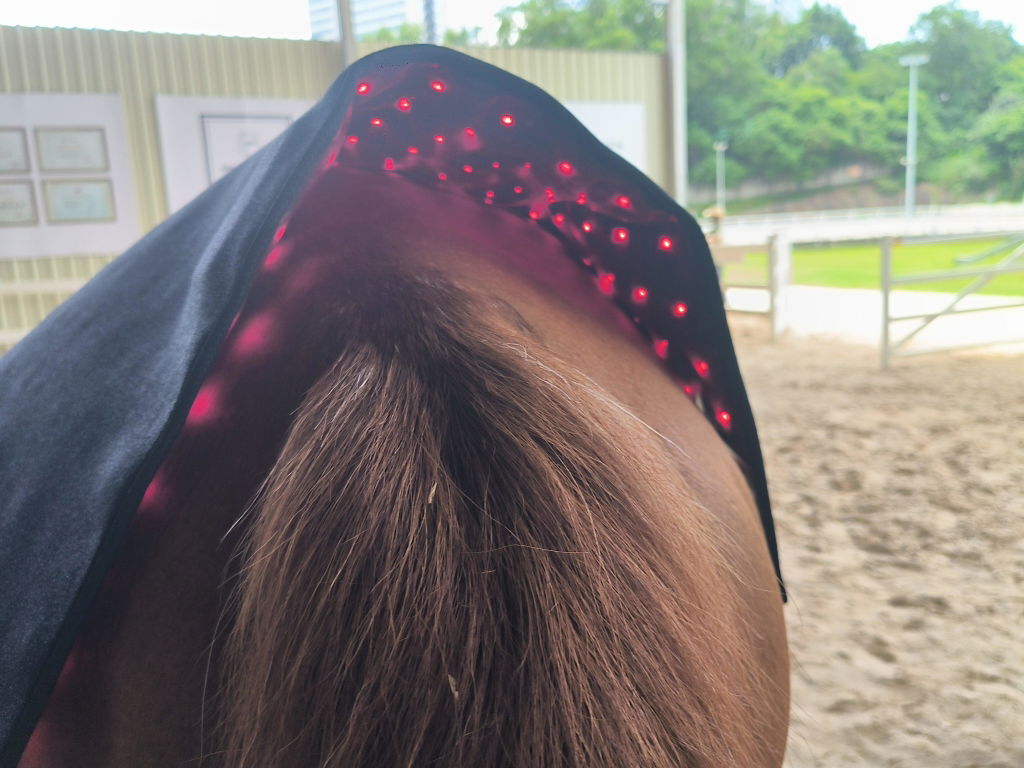
Red light therapy's most evidence-supported use is in wound and skin healing, which is exactly why it may have a supportive role here — but specifically during the healing phase, after a vet has examined, clipped, cleaned, and started managing the spot. It works through photobiomodulation: red (around 660nm) and near-infrared (around 850nm) light are absorbed by cells, thought to support local circulation and help modulate inflammation, which may support the skin's recovery. Used with veterinary approval at this stage, it can be one gentle, supportive part of helping the healed-over area recover.
What it cannot do: Red light therapy cannot treat the infection, replace veterinary cleaning, antibiotics, or anti-itch treatment, stop the underlying cause (like allergies or fleas), or substitute for a vet examining the spot. It must never be used on an active, untreated, or actively infected hot spot as a stand-in for veterinary care, and it is not a preventive measure. Its role is narrow: supportive help during vet-directed healing only.
The right order of care: Vet first (examine, clip, clean, treat infection, stop licking, find the cause) → then, once healing and with veterinary approval, red light therapy may support the skin's recovery as a complementary measure. Never skip straight to red light therapy on a fresh or worsening hot spot.
Helping Prevent Hot Spots
Since hot spots come from an underlying itch or irritation, prevention is about skin health and trigger control:
- Stay on top of flea and parasite prevention — fleas are a very common trigger.
- Groom regularly to prevent matting and remove loose fur that traps moisture, especially in thick-coated breeds and in warm, humid weather.
- Keep the coat clean and dry, particularly after swimming or baths.
- Treat ear infections and allergies promptly, as these are frequent underlying causes.
- Act on itching early, before your dog can start the itch-lick-itch cycle.
If your dog gets recurrent hot spots, work with your vet to identify and manage the root cause (often allergies) — that's the most effective long-term prevention. Red light therapy is not a preventive tool for hot spots.
Caring for Your Dog the Right Way
If you'd like to understand more about red light therapy for dogs in general — how it works and what it can and can't do — see our overview on whether red light therapy is good for dogs. And for the full picture on using it safely across situations, our guide to red light therapy safety and contraindications covers the precautions that apply. For hot spots specifically, though, the message is simple: the vet leads, and red light therapy supports healing only afterward.
Conclusion: Vet First, Support Healing Second
A hot spot is a fast-moving, painful, infected skin condition — and the most caring response is to get it seen and treated by a vet promptly, rather than reaching first for any home therapy. The veterinary basics come first: clipping, cleaning, controlling infection, stopping the licking, and treating the underlying cause.
Once the spot is properly managed and healing, red light therapy may offer gentle, supportive help — drawing on its well-supported role in skin and wound healing to aid recovery as a non-invasive complement, used with veterinary approval. Get the order right — vet first, supportive care second — and you give your dog the safest path back to comfortable, healthy skin. To explore devices designed for dogs, see the canine red light therapy range from PbmEquine.
Frequently Asked Questions
Can red light therapy help dog hot spots?
It may help support skin healing — but only as a complementary measure after a vet has examined and started treating the spot, never as a first-line or standalone treatment. Hot spots (acute moist dermatitis) are painful, infected lesions that can worsen within hours, usually with an underlying cause (allergies, fleas, ear infection) that must be addressed. The veterinary basics — clipping, cleaning, controlling infection (sometimes antibiotics), stopping the licking, and treating the cause — come first. Once the spot is being properly managed, red light therapy may support healing through photobiomodulation, as one supportive part of recovery. It cannot replace veterinary care, treat the infection, or fix the underlying cause.
What is a hot spot on a dog?
A hot spot (acute moist dermatitis or pyotraumatic dermatitis) is a red, inflamed, often oozing and smelly patch of infected skin. It typically starts from something minor — an insect bite, allergy, flea, ear infection, or trapped moisture in matted fur — that makes the dog itch. The dog then licks, scratches, or chews the area, and this self-trauma creates an itch-lick-itch cycle that can turn a small irritation into a large, painful sore within hours. Hot spots are commonly found on the head, neck, ears, legs, and hips. They respond well to prompt treatment but can cause more serious problems, like deeper infection, if not treated quickly.
Do I need to see a vet for my dog's hot spot?
Yes — hot spots warrant prompt veterinary attention. They're infected lesions that can spread and worsen quickly, usually with an underlying cause that needs treating to prevent recurrence. A vet will typically clip and clean the area, assess whether antibiotics or other medication are needed, help stop the licking (often with a cone), and work out the trigger. Seek care urgently if the spot is large (bigger than a coin), foul-smelling, spreading rapidly, extremely painful, or if your dog seems unwell, has a fever, or stops eating — these can signal a more serious, spreading infection. Don't simply treat it at home and hope it resolves.
When during treatment can red light therapy be used on a hot spot?
Best considered for the healing phase — after a vet has examined the spot, clipped and cleaned it, addressed any infection, and it's being properly managed — and only with veterinary approval. At that stage, red light therapy may support skin and tissue healing through photobiomodulation, thought to support circulation and help modulate inflammation; wound healing is one of the better-supported uses. It should not be used on an active, untreated, or infected hot spot as a substitute for veterinary care, and doesn't replace addressing the underlying cause. Always confirm with your vet that the spot is at an appropriate stage and that supportive red light therapy is suitable.
How can I prevent hot spots on my dog?
Prevention focuses on healthy skin and trigger control: keep up with flea and parasite prevention, groom regularly to prevent matting and remove loose fur that traps moisture (especially thick-coated breeds and in warm, humid weather), keep the coat clean and dry, promptly treat ear infections and allergies, and address itching early before the itch-lick-itch cycle starts. If your dog gets recurrent hot spots, work with your vet to identify and manage the underlying cause (such as allergies), since controlling that is the most effective long-term prevention. Red light therapy is not a preventive measure for hot spots.