Skip to product information
1 of 8

Veterinary-grade red light therapy for your dog's knee pain, CCL recovery and arthritis relief(2 PCS)

Veterinary-grade red light therapy for your dog's knee pain, CCL recovery and arthritis relief(2 PCS)

Regular price $273.60 USD
Regular price Sale price $273.60 USD
Sale Sold out
Shipping calculated at checkout.
Style
LED PCS
Quantity

Canine knee injuries and chronic joint deterioration are among the most common — and most undertreated — conditions in dogs of every age and breed. Our red light therapy for dog knee is a veterinary-grade, wearable LED phototherapy wrap that delivers targeted dual-wavelength treatment directly to the canine knee joint and surrounding periarticular tissue. Equipped with 24 triple-chip LEDs — 72 chips in total — and a built-in USB-C rechargeable battery, this fully wireless canine knee photobiomodulation device brings clinic-level recovery to your home with no cords, no clinic visits, and no stress for your dog. Whether your dog is recovering from a CCL tear, managing daily osteoarthritis, or completing rehabilitation after a TPLO procedure, the pbmEquine Canine Knee Relief Pro delivers the same therapeutic light protocol trusted by veterinary rehabilitation professionals in a hands-free wrap you can apply in under thirty seconds.

The device combines 660nm visible red light and 850nm near-infrared (NIR) light at a precision 1:2 ratio, optimized specifically for canine musculoskeletal anatomy and tissue depth. The 660nm wavelength addresses surface-level concerns — localized inflammation, connective tissue repair, and periarticular blood flow — while the 850nm near-infrared component penetrates 30 to 40 millimeters through skin, fascia, and muscle to reach the joint capsule, synovial tissue, and cruciate ligament structures where arthritis damage and CCL injuries actually originate. Each of the 24 LED emitters is a triple-chip unit, delivering three times the optical density of single-chip designs and eliminating the low-irradiance dead zones that reduce efficacy in cheaper devices. At the contact surface, the device outputs 114 mW/cm² of irradiance — a therapeutically effective dose confirmed to trigger photobiomodulation at the cellular level, and the same parameter range documented in veterinary rehabilitation research for reducing inflammatory markers and accelerating soft tissue repair.

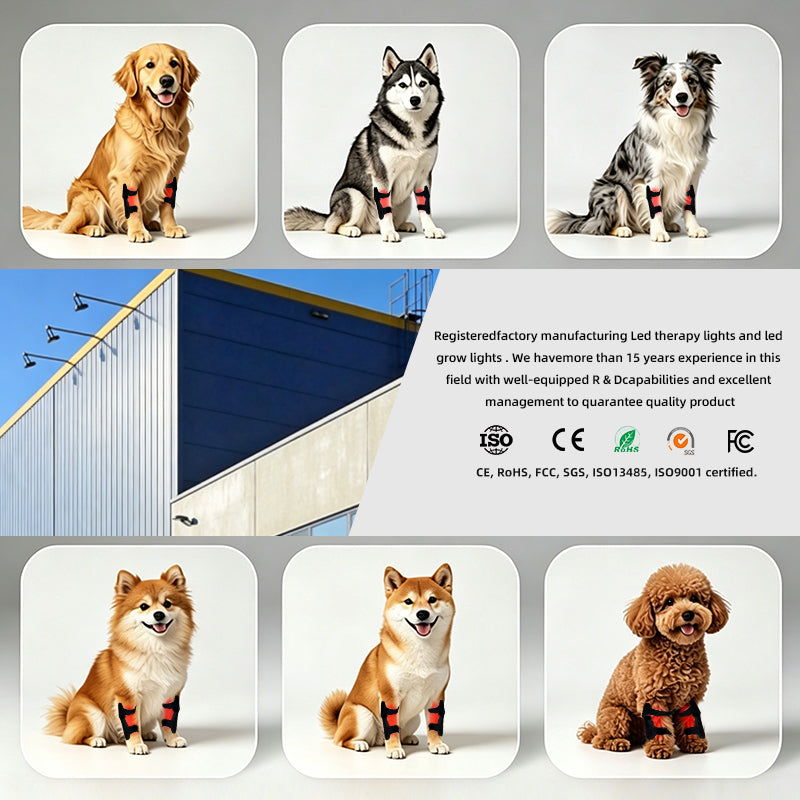
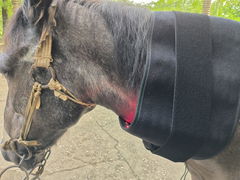
What sets this dog knee light therapy wrap apart is its anatomically informed design. Unlike flat pads that slide off a dog's leg or generic tube sleeves that fail to maintain consistent LED-to-tissue contact, this wrap features a knee-specific central cutout that positions the LED panel directly over the joint capsule — where treatment needs to occur. The elastic hook-and-loop strap system adjusts to accommodate every breed from Chihuahua to Great Dane, securing the wrap firmly in place without restricting circulation or interfering with natural range of motion during the session. The LED panel itself is coated in TPU — waterproof, dustproof, and wipe-clean — protecting it against fur, dander, and incidental moisture. Anti-bite and anti-claw construction on the outer shell makes the device suitable for post-operative dogs who instinctively fixate on the treatment area.

The wireless, USB-C rechargeable design means treatment happens on your schedule and in any location — on the sofa, in a crate, or on the way to a rehabilitation appointment. Simply position the LED panel over the knee, secure the elastic straps, and press the power button. A built-in 15-minute auto-shutoff timer prevents overexposure and eliminates the need for owner monitoring throughout the session. The device produces no heat at the contact surface, no audible noise, and zero electromagnetic field output (0 μT), meaning it does not cause the agitation that poorly designed electrical devices sometimes produce in sensitive or anxious dogs.

Key Features & Benefits

  • Dual-wavelength LEDs (660nm + 850nm, 1:2 ratio) — The NIR-heavy configuration is purpose-built for canine musculoskeletal anatomy, where target structures sit beneath multiple tissue layers. Red light handles surface inflammation and tissue repair; near-infrared reaches deep into the joint capsule, synovium, and ligament structures where chronic damage occurs.
  • 24 triple-chip emitters — 72 total chips — Each emitter contains three chips, delivering 3× the optical density of single-chip designs. This increases coverage uniformity and ensures every point across the treatment area receives a therapeutically effective dose — not just the zones directly beneath individual LEDs.
  • 114 mW/cm² irradiance at the contact surface — Measured at 0 inches. This is the clinically relevant parameter that determines delivered dose — sufficient to trigger mitochondrial activation and anti-inflammatory signaling in periarticular tissue at every session.
  • Steady mode and pulse mode — Steady mode delivers continuous emission for chronic pain management, daily joint maintenance, and post-exercise recovery. Pulse mode is designed for acute inflammation, post-surgical recovery, and severe pain flares, where pulsed waveform delivery has been shown to elicit stronger modulation of pro-inflammatory cytokines.
  • Knee-specific anatomical fit — The central cutout and wrap geometry position the LED array directly over the canine knee joint rather than approximating coverage over a cylindrical limb. Consistent LED-to-tissue contact is the single most important variable in delivered photonic dose.
  • Drug-free joint pain management — Provides non-invasive relief from knee stiffness, periarticular swelling, post-surgical inflammation, and chronic OA pain without NSAIDs, corticosteroid injections, or the systemic side effects associated with long-term pharmaceutical management.
  • Wireless, USB-C rechargeable, built-in battery — Fully cordless operation. No extension cords, no tethering stress on the animal. Charges via any standard USB-C power source.
  • 15-minute auto-shutoff — Calibrated to the midpoint of clinical PBM session ranges for small animal musculoskeletal applications. Prevents overexposure. One-button operation requires no technical knowledge.
  • TPU-coated, waterproof, anti-bite construction — LED panel sealed against moisture and sweat. Outer wrap material resists chewing and scratching from post-operative dogs and anxious patients.
  • CE, FCC, FDA, RoHS, UKCA, ISO 13485, ISO 9001, SGS certified — Third-party verified to EU, US, and UK market standards. Multiple international certifications significantly reduce compliance risk for veterinary clinic buyers and brand resellers.

Ideal For

This canine red light therapy knee wrap is designed for dog owners, veterinary rehabilitation professionals, breeders, and pet health practitioners who need a dependable, daily-use photobiomodulation solution for the canine knee and lower limb. It is particularly effective for dogs managing cranial cruciate ligament (CCL/ACL) injuries, dogs in post-TPLO or post-operative recovery, animals with diagnosed osteoarthritis or degenerative joint disease, compensatory knee arthritis secondary to hip dysplasia, and patellar luxation — whether post-reduction or post-surgical. Senior dogs, large breed dogs (Golden Retrievers, German Shepherds, Labrador Retrievers), working dogs, and sport dogs with a history of joint injury represent the highest-benefit population. If you have been looking for a dog knee pain treatment that fits into your daily routine without medication schedules, clinic appointments, or equipment that your dog refuses to tolerate — this is the device designed for exactly that use case.

Treatment Protocol

Phase Frequency Recommended Mode What to Observe
Acute / post-surgical (weeks 1–2) 2–3 × per day Pulse Reduction in joint swelling and heat, improved weight-bearing on the affected limb
Subacute / rehabilitation (weeks 3–6) 1–2 × per day Either Steadily improving gait quality, willingness to extend the limb, reduced hesitation on stairs
Chronic maintenance / OA management Once daily or as needed Steady Sustained mobility, reduced morning stiffness, maintained activity level
Post-exercise recovery Once after activity Steady Faster return to baseline comfort, reduced post-exercise lameness

For best results, maintain consistent daily use for a minimum of two weeks before evaluating response. Most dog owners report visible improvement in gait quality and activity level within 10 to 14 days.

Specifications

Parameter Specification
Rated power 12 W
LED emitter count 24 PCS (triple-chip construction)
Total chip count 72 PCS
Red light wavelength 660 nm — 24 chips (8 emitters × 3)
Near-infrared wavelength 850 nm — 48 chips (16 emitters × 3)
Wavelength ratio (Red : NIR) 1 : 2
Irradiance at contact surface 114 mW/cm²
Electromagnetic field output 0 μT
Operating modes Steady / Pulsing
Session timer 15-minute auto-shutoff
Charging USB-C, built-in battery, fully wireless
LED panel dimensions 11 × 10 × 17 cm (4.33 × 3.93 × 6.69 in)
LED surface coating TPU — waterproof, dustproof, wipe-clean
Package contents LED therapy unit, elastic knee wrap, USB-C charging cable, user manual

Every walk, every run, every morning stretch begins in the joints. When pain, stiffness, or injury limits your dog's mobility, their quality of life diminishes in ways that no amount of medication fully restores. Our red light therapy for dog knee delivers professional-grade photobiomodulation directly to where it matters most — deep into the joint tissue, ligament, and synovial structures that govern every step your dog takes. Give your dog the recovery support that veterinary rehabilitation clinics already rely on, now available every day at home.

View full details

Red Light Therapy FAQ

What is Red Light Therapy?

Red Light Therapy works by delivering specific wavelengths of red and near-infrared light through the skin to activate the body’s natural healing and regeneration processes.

When applied at optimal wavelengths and energy levels, this light helps protect cells from nitric oxide interference. Under stress or illness, excess nitric oxide can block the production of ATP—the energy source your cells need to function properly. Red and near-infrared light reduce this interference, allowing cells to use oxygen more efficiently and continue producing energy.

By reaching deep into the cell’s mitochondria, red light therapy directly stimulates cellular repair and regeneration. The result is improved appearance, enhanced performance, and better overall well-being.

The benefits of Red Light Therapy?

Because of the way it energizes the cells, red light can help with a number of health conditions in animals, including the following:​

  • Joint Discomfort
  • Osteoarthritis
  • Inflammation 
  • Muscle soreness
  • Wounds and scars
  • Infections and viruses 
  • Tendon and ligament injuries
  • Exercise & overexertion recovery
  • Pre and post-performance recovery

How does red light therapy work?

In short, light therapy works by improving cellular function. All living organisms rely on light to produce energy. Inside each cell, mitochondria absorb specific wavelengths of light—naturally from the sun—and convert them into adenosine triphosphate (ATP), the fuel that powers the body.

Light therapy supplements natural sunlight by delivering concentrated, therapeutic wavelengths directly to the body. When cells receive a consistent supply of this beneficial light, they are able to produce energy more efficiently, helping the body function at a higher level.

Red wavelength light therapy, in particular, has been shown to improve blood circulation, reduce pain, and support the body’s inflammatory response. Over time, this can lead to noticeable benefits such as healthier skin, better sleep, increased energy, faster recovery, and improved overall performance.

How Often Do I Need to Use Red Light Therapy Equipment?

Usage frequency depends on the condition being treated and the specific device being used. For many situations, an initial period of more frequent use is recommended to support early recovery.

In general:

  • Many users begin with daily sessions for the first two weeks
  • This is typically followed by a maintenance schedule of once or twice per week

For best results, always follow the usage instructions provided with your device, as well as any guidance from your veterinarian or healthcare professional. Consistency is key—maintaining a regular routine helps support the body’s natural recovery and regenerative processes.

How to use red light therapy equipment?

  • Use two 15-minute sessions per day on onetarget areafor optimal results.
  • If needed, repeat thesessionon another area.
  • Continue regular use until results are visible; most users see improvement within about two weeks.
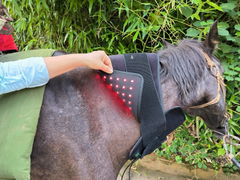
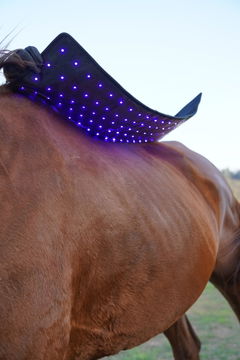
  • Do not use the device while the horse is in motion, as movement and pressure may cause the LED to disconnect from the power source.
  • Do not fold the red light therapy wrap, as this may damage the LED connection. Simply place it gently on your horse’s body during treatment.

Does Red Light Therapy Work on Open Wounds?

Yes, red light therapy can be used to support the healing of minor open wounds. It has been widely recognized as a safe and natural method to help accelerate the healing process by supporting circulation and cellular repair.

Red light therapy is commonly used to assist with:

  • Minor cuts and abrasions
  • Burns
  • Post-surgical incisions
  • Scar recovery

That said, wounds that require medical attention should always be evaluated by a qualified medical professional or veterinarian. Red light therapy should be viewed as a supportive or complementary approach, not a replacement for necessary medical care.

What should I be aware of when using red light therapy?

For safe and effective use, please note the following:

  • Use professional, veterinarian-recognized devices with appropriate wavelength and power
  • Follow our recommended usage frequency and guidelines
  • Avoid direct exposure to the eyes and thyroid area

Do not use red light therapy:

  • Over tumors or suspected tumor areas
  • On pregnant mares

If your horse has a medical condition or you are unsure about proper use, consult your veterinarian before treatment.

Scientific References

  1. Inflammation Reduction: Lasers Med Sci. 2020;35(2):345-352.
  2. Tissue Repair: Journal of Orthopaedic Research. 2018;36(5):1423-1430.
  3. Wound Healing: Veterinary Surgery. 2019;48(3):521-529.
  4. Joint Mobility: Equine Veterinary Journal. 2021;53(4):789-796.
  5. FDA Safety: Guidance for Industry: Regulatory Classification of Low-Level Light Therapy Devices. 2022.